
For the Beauty of the Earth
For the wonder of each hour of the day and of the night, Hill and vale and tree and flower, sun and moon and stars of light. Lord of All, to Thee we raise...
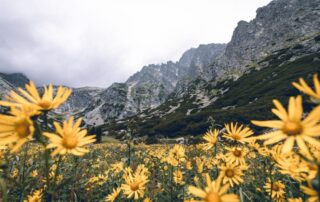
For the wonder of each hour of the day and of the night, Hill and vale and tree and flower, sun and moon and stars of light. Lord of All, to Thee we raise...

We are grateful to meet again with Dr. Daniel Kyungu, a social scientist and a bishop with the Church of Christ in the Democratic Republic of Congo (the DRC...
Think of all the tears you’ve ever cried. That time at recess when you weren’t picked for dodgeball. The Saturday night of the prom when you sat home alone. The job interview that went sour. The time your neighbor down...

My favorite classical guitar piece is called “Recuerdos del Alhambra.” And nobody plays it like Christopher Parkening, probably the greatest classical guitarist in the world. My husband, Ken, is friends with...
These days, we’ve been conditioned to offer our opinions on just about everything. With social networking sites flickering at us from our phones, survey...

Let’s say you are going through a tough, confusing trial and you’re having a hard time understanding the good that God intends in it. Man, I’ve been there...

The Patapsco River runs white water between Marriottsville and Woodstock, Maryland. I ought to know, because as a child I rode horses there. Over the course of a half mile, the river drops several meters...
Corrie ten Boom survived the Nazi concentration camps and went on to travel the world to share Christ with millions. A series of strokes severely incapacitated her, after which she retreated to the sanctuary...
Today marks the anniversary of the Oklahoma City bombing that gutted a U.S. federal office building, leaving 168 people dead. That day a pastor friend in the city invited me to hurry and come visit families...

Many years ago, Ken and I had the opportunity to travel to Israel. We saw and did so much during our brief visit, but the highlight of our trip inspired me...



Joni and Friends Headquarters
30009 Ladyface Court, Agoura Hills, California 91301
(818) 707-5664
Copyright © 2024 Joni and Friends | All Rights Reserved | Privacy Policy | Terms of Use
Joni and Friends Headquarters
30009 Ladyface Court, Agoura Hills, California 91301
(818) 707-5664
Copyright © 2024 Joni and Friends | All Rights Reserved | Privacy Policy | Terms of Use